
Top-rated independent heating and cooling across South Florida
No Heat at All
You set the thermostat to heat, waited, and nothing happened. No hum, no warm air, maybe a click and then silence. Cold mornings in Florida do not last long, but a house that will not heat at all is still miserable. We handle heating repair and heater repair across the region, and most no-heat calls come down to a short list of causes.
Call (888) 560-0120- You reach a person, not a menu
- Open every day
- The quote comes first, in writing
Taking calls until 5:00 PM ET
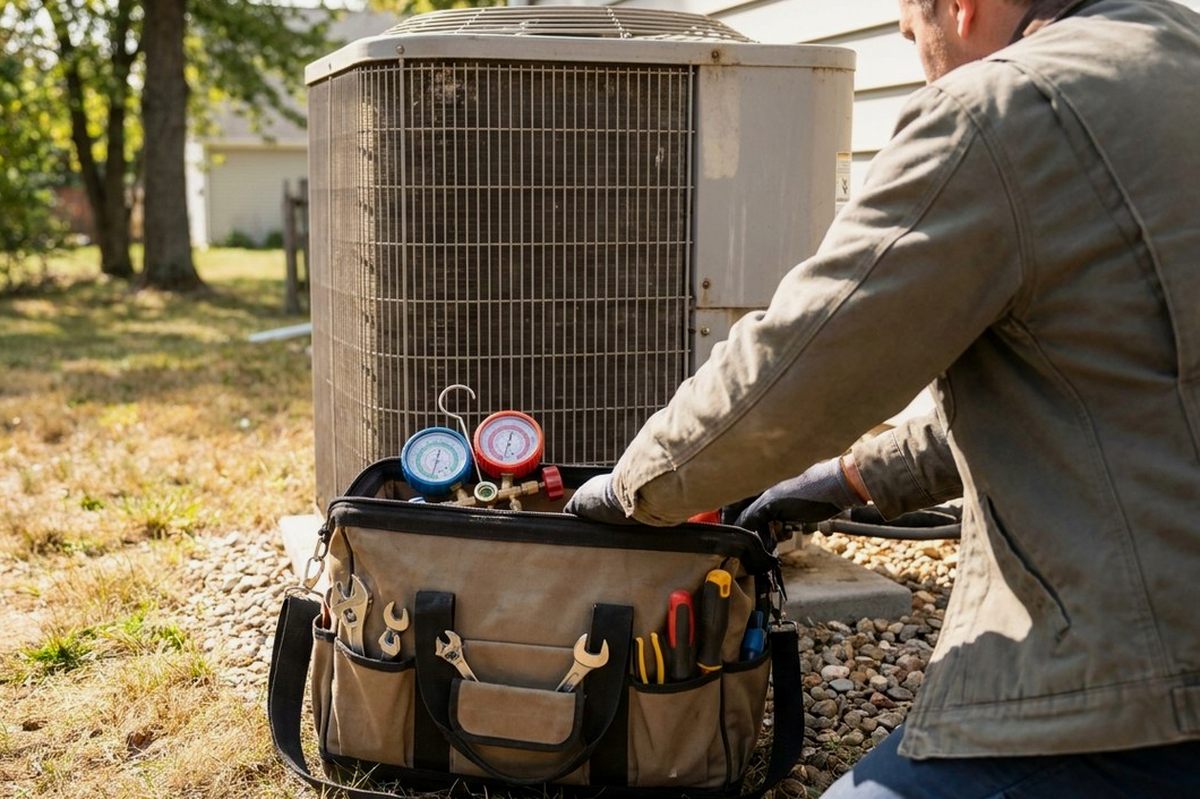
From the technicians at King Air & Heating
What "no heat at all" is actually telling you
No heat at all means the call for heat is not reaching the equipment, or the equipment is getting the call and refusing to run. That is different from weak heat, which usually points at airflow or a failing component still limping along. Silence points at power, controls or a safety lockout. Air moving but staying cool points at the heat source itself, whether that is a gas furnace or the electric heat strips in a heat pump air handler. Tell us which one you have when you call, because it changes what we bring and where we start. Note the time it stopped and whether anything else in the house lost power.','
Cause family one: thermostat and power
This is the cheapest family and the most common. Dead thermostat batteries, a schedule that switched the system to off, a setting left on cool, or someone bumping it to fan only will all produce total silence. Then there is power: a tripped breaker at the panel, a service switch near the air handler that got flipped during other work, or a blown low-voltage fuse on the control board. Heat pump systems draw hard on electric heat strips, so a breaker that trips repeatedly is telling you something real. Reset it once. If it trips again, stop and call us rather than pushing it back a third time.
Cause family two: airflow and filters
A filter packed with dust chokes airflow until a high-limit switch shuts the heat down to protect the equipment. From the hallway that looks like no heat at all, or heat that runs for two minutes and quits. Closed or blocked supply vents, furniture pushed against a return, and a collapsed flex duct in the attic do the same thing. In our climate the filter usually loads up with the fine grit and pollen that comes with the summer, then gets forgotten by the first cool week. Change it, open every vent, and give the system twenty minutes. If it locks out again, the limit switch is doing its job and something deeper needs attention.
Cause family three: ignition, controls and safeties
Now we are past what a homeowner can touch. On gas equipment, a failed igniter, a dirty flame sensor, a stuck gas valve or a pressure switch that never closes will all stop the sequence cold. On heat pumps, a bad reversing valve, a failed defrost board, an open heat strip element or a burned contactor gives you the same result. Salt air in coastal Florida eats contactors and terminal connections faster than people expect, so corrosion is a real suspect here. None of this is a homeowner job. Gas, refrigerant and line-voltage work belongs with a technician who can test it safely.
What we do differently on a no-heat call
We start at the thermostat and work toward the equipment with a meter instead of guessing. We confirm the call for heat is leaving the thermostat, verify line and low-voltage power, then watch the full ignition or heat-strip sequence and see exactly where it stops. Fault codes on the control board tell us what the system saw before it locked out. We check amp draw on motors and heat strips, inspect the heat exchanger or coil, and look at wiring for the corrosion this coastline causes. Then you get a plain explanation of what failed and what it takes to fix it. If you smell gas, leave the house first, call 911 or your gas utility, then call us.
No Heat at All — straight answers
Why does my heat pump blow cool air when I turn the heat on?
Heat pumps deliver warm air, not hot air, so it can feel cool at the vent. If it is truly cold, the reversing valve, defrost board or auxiliary heat strips may have failed. That needs a technician to test.
Can I just reset the breaker myself?
Yes, once. If the breaker trips again right away, stop. Repeated tripping means a short, a seized motor or a failing heat strip, and forcing it back on risks damage to the equipment or wiring.
How fast should heat come on after I raise the thermostat?
Expect a short delay while the sequence runs, often under five minutes. Longer than that with no air movement and no sound at all means something interrupted the call for heat. Give us a ring.
How it works
- Step 1
Tell us the symptom
Call or fill in the quote form and describe what changed. Warm air, short cycling, a breaker that keeps tripping, water stains on the ceiling. That detail helps us bring the right parts.
- Step 2
We diagnose on site
A technician checks the thermostat, the electrical side, refrigerant performance, airflow and the condensate line. We find the actual cause instead of swapping parts and hoping the problem stays away.
- Step 3
You approve the repair
We explain what failed, what it takes to fix it, and how long the part is likely to last. Nothing gets replaced until you say go, and we test the system before leaving.
- A real person answers
- Open 7 days
- Written quote before work starts
Why homeowners call us
- Built for the salt airCoastal Florida is hard on outdoor equipment. Coils corrode, contactors pit, fan motors seize early. We look for that damage during every air conditioning repair so a small failure does not take the whole system down.
- Condensate lines we actually clearBy late summer, drain lines clog with algae and shut systems off on the float switch. We clear the line, check the pan and the safety switch, and show you what caused the backup.
- Heating tooCold snaps still arrive. We do heating repair and heater repair on heat pumps, strip heat and furnace repair where homes have one, so the system works in January as well as August.
- Plain talk about older systemsIf a repair makes sense, we repair it. If a unit is failing in ways that will keep costing you, we say that too and lay out the options. You decide, not us.
- All major brands, gas & electricEvery major HVAC brand, gas and electric, handled by an independent crew.
- Straight answersWhen a replacement beats a repair, we tell you, sometimes before we roll a truck.
About this guide
Checked everything on the list and it still acts up?
Describe what you found and we'll take it from there. Booking takes about a minute.
- A real person answers
- Open 7 days
- Written quotes
- All major brands
- Gas & electric
Rather not call? Get a free quote →