
Top-rated independent heating and cooling across South Florida
Pre-Season Cooling Checks Worth Doing
Every year it goes the same way. The first genuinely hot week arrives, everyone turns the thermostat down at once, and the systems that were coasting through mild weather quit. If your AC struggled at the end of last summer, it will struggle worse this year. Here is what we look at before the heat lands, and what you can check yourself this weekend.
Call (888) 560-0120- You reach a person, not a menu
- Open every day
- The quote comes first, in writing
Taking calls until 5:00 PM ET
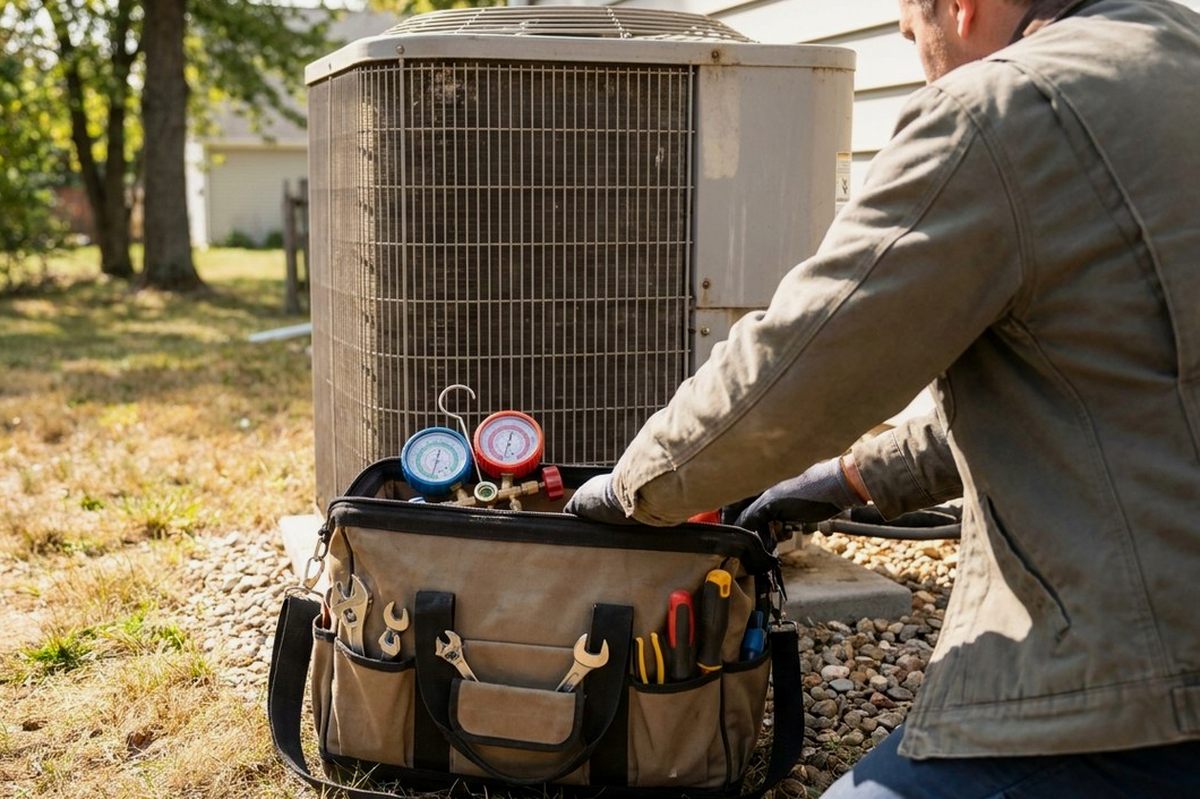
From the technicians at King Air & Heating
What a Florida cooling season does to your system
We fix air conditioning across Florida, and the pattern rarely changes. Your system runs most of the year, so wear that would take a decade further north happens here in a few seasons. Salt air pits the outdoor coil and eats at electrical contacts near the coast. Afternoon storms push humidity indoors, so the system spends more energy pulling water out of the air than cooling it. Condensate drains collect biofilm all season until they clog. Blower wheels load up with dust and move less air each month. None of that shows up as a breakdown in February. It shows up the first week the outdoor temperature stays above ninety.
Which failures spike, and when
Capacitors go first. They fail on the early hot days when the compressor pulls hard after months of light duty, and the symptom is an outdoor fan that hums but will not spin. Next comes low airflow from a filter nobody changed, which looks like weak air at the vents and a system that runs without cooling. By midsummer we are mostly on clogged condensate lines, water in the closet, ceiling stains, and float switches shutting the system off. Refrigerant leaks announce themselves in the same window because the system is running long enough for a slow leak to matter. Late season we see contactors and motors that have simply run out of hours.
The pre-season checks worth doing yourself
Five things, all safe. Put fresh batteries in the thermostat and confirm it is set to cool with the fan on auto. Change the filter and write the date on the frame so you know next time. Walk outside and clear leaves, grass clippings and vines back a couple of feet from the outdoor unit so it can breathe. Open every supply vent and pull furniture off the returns, because closing vents does not save anything and starves the blower. Check your breaker panel if the system is dead. Anything involving refrigerant, gas or high voltage is ours, not yours.
What we do on a pre-season visit
We measure instead of guessing. That means checking the temperature drop across the coil, testing capacitors against their rated values, looking at motor amp draw, and inspecting the contactor for pitting. We flush the condensate line and test the float switch, because that single step prevents most of the water damage calls we take in August. We wash the outdoor coil, look for oil traces that suggest a refrigerant leak, and check the electrical connections that corrosion loosens near the coast. If something is marginal, we tell you now, while you still have a choice about when to replace it.
When to call instead of waiting
Call for air conditioning repair if the system runs constantly and never reaches the setpoint, if the air from the vents is only slightly cool, if you hear grinding or a hum with no fan movement, or if you see water anywhere near the indoor unit. Ice on the refrigerant lines means shut it off and call, because running it that way damages the compressor. Breakers that trip more than once are an electrical fault, not a nuisance. If you smell gas at a heating system, leave the building first, call 911 or your gas utility from outside, then call us. Heating repair can wait until you are safe.
Pre-Season Cooling Checks Worth Doing — straight answers
When should I schedule a pre-summer AC check?
Late winter or early spring, before the first stretch of hot days. That is when parts are easy to get and you are not waiting behind everyone else whose system quit in the same week.
How often should I change my filter here?
Because systems run nearly year round in Florida, most homes need a fresh filter every one to three months. Pets, construction dust and a thin pleated filter all push you toward the shorter end.
My AC works fine. Is a check really worth it?
Working and healthy are different things. A weak capacitor, a half clogged drain or a slow refrigerant leak all keep cooling until the load goes up. Finding them early turns an emergency into a scheduled repair.
How it works
- Step 1
Tell us the symptom
Call or fill in the quote form and describe what changed. Warm air, short cycling, a breaker that keeps tripping, water stains on the ceiling. That detail helps us bring the right parts.
- Step 2
We diagnose on site
A technician checks the thermostat, the electrical side, refrigerant performance, airflow and the condensate line. We find the actual cause instead of swapping parts and hoping the problem stays away.
- Step 3
You approve the repair
We explain what failed, what it takes to fix it, and how long the part is likely to last. Nothing gets replaced until you say go, and we test the system before leaving.
- A real person answers
- Open 7 days
- Written quote before work starts
Why homeowners call us
- Built for the salt airCoastal Florida is hard on outdoor equipment. Coils corrode, contactors pit, fan motors seize early. We look for that damage during every air conditioning repair so a small failure does not take the whole system down.
- Condensate lines we actually clearBy late summer, drain lines clog with algae and shut systems off on the float switch. We clear the line, check the pan and the safety switch, and show you what caused the backup.
- Heating tooCold snaps still arrive. We do heating repair and heater repair on heat pumps, strip heat and furnace repair where homes have one, so the system works in January as well as August.
- Plain talk about older systemsIf a repair makes sense, we repair it. If a unit is failing in ways that will keep costing you, we say that too and lay out the options. You decide, not us.
- All major brands, gas & electricEvery major HVAC brand, gas and electric, handled by an independent crew.
- Straight answersWhen a replacement beats a repair, we tell you, sometimes before we roll a truck.
About this guide
When the easy checks change nothing, it's time for a tech
Report what you saw during the checks and we handle the rest. A minute to book.
- A real person answers
- Open 7 days
- Written quotes
- All major brands
- Gas & electric
Rather not call? Get a free quote →