
Top-rated independent heating and cooling across South Florida
CO Alarm Sounding
Your carbon monoxide alarm is sounding and you are standing in the hallway wondering if it is real. Treat it as real. Get everyone outside, then call 911 or your gas utility from outside. Once the building has been cleared and checked by the responders, we can look at the heating equipment that caused it. Here is the order to do things in.
Call (888) 560-0120- You reach a person, not a menu
- Open every day
- The quote comes first, in writing
Taking calls until 5:00 PM ET
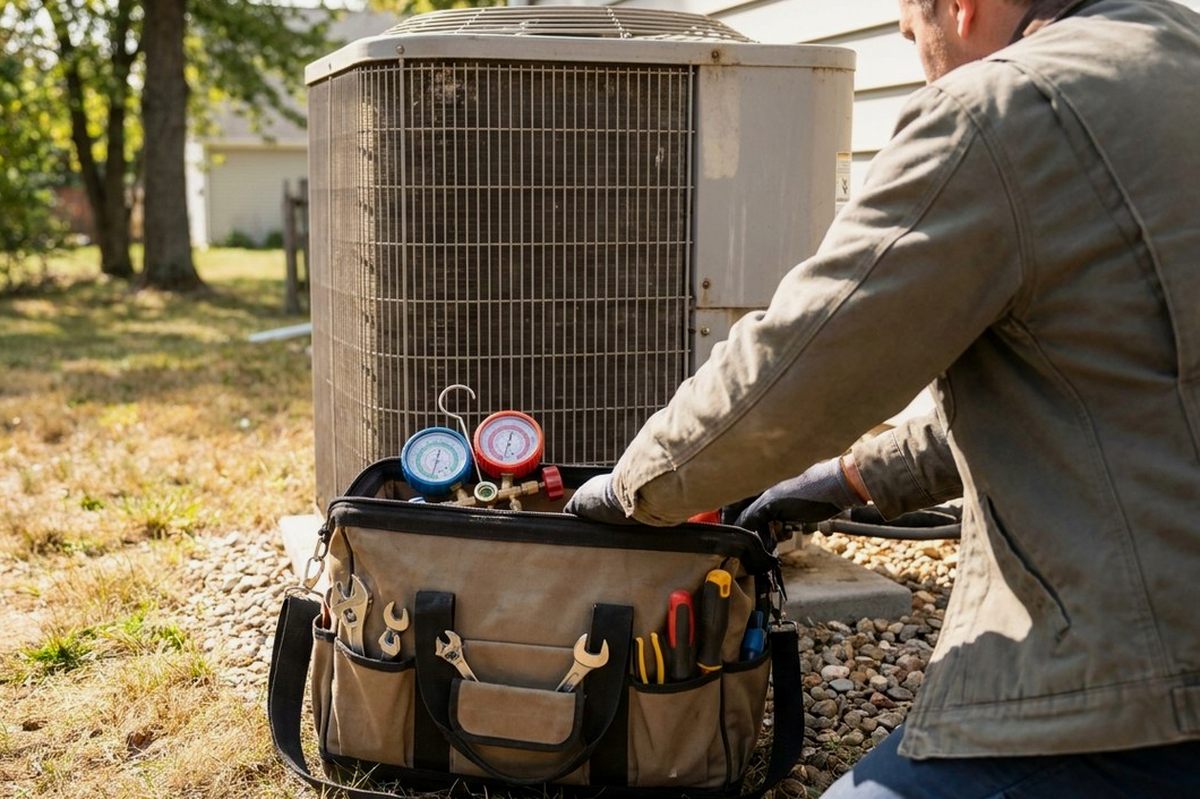
From the technicians at King Air & Heating
First: Get Out, Then Call From Outside
Leave the building now, with everyone in it, including pets. Do not stop to open windows, hunt for the alarm, or pack anything. Go out the door and keep going until you are in fresh air, well away from the structure. From outside, call 911 or your gas utility's emergency line and tell them your carbon monoxide alarm has gone off. If anyone has a headache, nausea, dizziness, confusion or has passed out, say so on the call, because that changes how fast they respond and where they send you. Stay outside until the fire department or the utility tells you the building is clear. That is the whole first step. Nothing else comes before it.
What Not To Do
Do not go back in for a phone, a laptop or a pet you think you can grab quickly. Carbon monoxide is invisible and has no smell, so the air inside can be dangerous while feeling completely normal. Do not silence the alarm and go back to bed, and do not assume a chirp means a dead battery when the pattern sounds like a full alert. Do not try to inspect, relight or take apart a gas furnace, water heater or any burner yourself, and do not open up electrical panels. Do not run a car, generator or grill anywhere near the building or in an attached garage while you wait outside. Let the responders make the call on when it is safe to enter.
After The Responders Clear The Building
Once the fire department or the gas utility has ventilated the building and given you the all clear, the equipment still needs attention. An alarm that sounded once tends to sound again, because something in the combustion or venting path has changed. Write down what you noticed: the time, which alarm sounded, whether the heat had just been running, any soot, staining or rust you saw near a vent, and whether anyone felt unwell. Ask the responders what they measured and where. That information saves real time when we arrive. Keep the heating system off until it has been looked at, and use a space heater only if it is electric and away from anything flammable.
When To Call Us, And What We Do
Call us for heating repair and furnace repair across Florida once the building is clear and you need the source found. We inspect the combustion side of a gas furnace, check the heat exchanger for cracks, look at the flue and vent connections for corrosion, separation or blockage, and confirm the equipment is drawing and venting the way it should. We check combustion air, the draft, and whether anything else in the building is competing for air and pulling exhaust back inside. If a part is unsafe, we tell you plainly and we do not put the equipment back in service until it is corrected. If the fix is a replacement, we explain why in words you can repeat to someone else.
Keeping It From Happening Again
Carbon monoxide alarms belong on every level of the building and near sleeping areas, tested monthly and replaced when they reach their end of life date, usually printed on the back. Most alarms expire in seven to ten years whether or not they have ever sounded. Have any gas fired heating equipment checked once a year before you start using it, along with vent piping, because salt air across the region eats at metal faster than people expect. Change filters on schedule so the system is not starved for airflow. If you have an attached garage, never warm up a vehicle inside it. And if you ever smell gas, leave first and call 911 or the gas utility from outside.
CO Alarm Sounding — straight answers
Could my alarm be a false alarm?
Treat every alert as real and get outside first. Some alarms do fail or reach end of life, but you cannot tell that from inside the building. Let 911 or the gas utility measure the air, then replace an expired alarm.
I have no gas appliances. Can I still get carbon monoxide?
Yes. Any combustion source can produce it, including a gas water heater, a fireplace, a generator, a grill or a running vehicle in an attached garage. Exhaust can also drift in from a neighbouring unit or a shared vent.
Can you find the source of the carbon monoxide?
Yes, after the building has been cleared by responders. We inspect the heat exchanger, burners, flue and vent connections, check draft and combustion air, and tell you plainly what we found and what has to be repaired or replaced.
How it works
- Step 1
Tell us the symptom
Call or fill in the quote form and describe what changed. Warm air, short cycling, a breaker that keeps tripping, water stains on the ceiling. That detail helps us bring the right parts.
- Step 2
We diagnose on site
A technician checks the thermostat, the electrical side, refrigerant performance, airflow and the condensate line. We find the actual cause instead of swapping parts and hoping the problem stays away.
- Step 3
You approve the repair
We explain what failed, what it takes to fix it, and how long the part is likely to last. Nothing gets replaced until you say go, and we test the system before leaving.
- A real person answers
- Open 7 days
- Written quote before work starts
Why homeowners call us
- Built for the salt airCoastal Florida is hard on outdoor equipment. Coils corrode, contactors pit, fan motors seize early. We look for that damage during every air conditioning repair so a small failure does not take the whole system down.
- Condensate lines we actually clearBy late summer, drain lines clog with algae and shut systems off on the float switch. We clear the line, check the pan and the safety switch, and show you what caused the backup.
- Heating tooCold snaps still arrive. We do heating repair and heater repair on heat pumps, strip heat and furnace repair where homes have one, so the system works in January as well as August.
- Plain talk about older systemsIf a repair makes sense, we repair it. If a unit is failing in ways that will keep costing you, we say that too and lay out the options. You decide, not us.
- All major brands, gas & electricEvery major HVAC brand, gas and electric, handled by an independent crew.
- Straight answersWhen a replacement beats a repair, we tell you, sometimes before we roll a truck.
About this guide
When the easy checks change nothing, it's time for a tech
Bring your notes from the checks to the call and booking takes no time.
- A real person answers
- Open 7 days
- Written quotes
- All major brands
- Gas & electric
Rather not call? Get a free quote →